



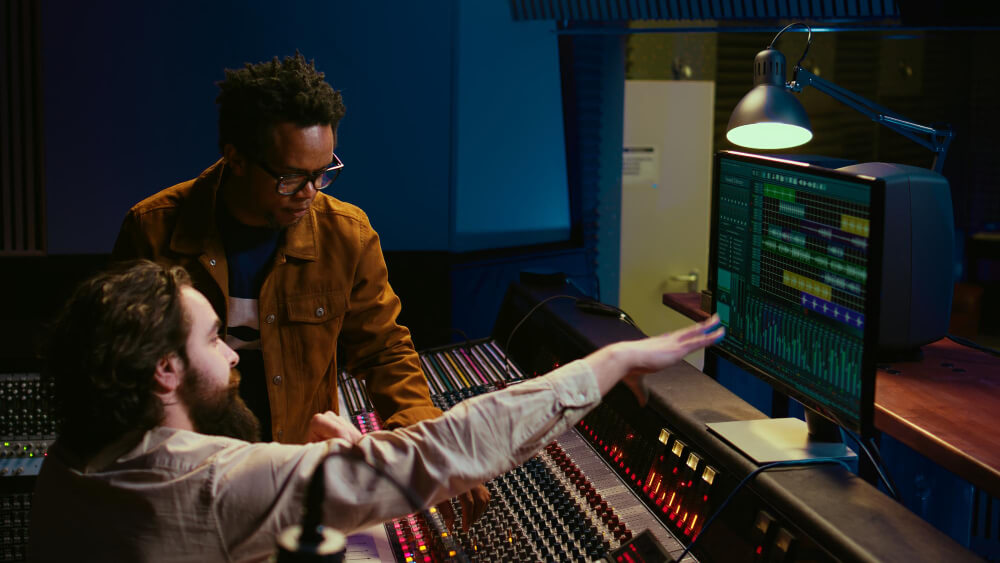
In today’s technology-driven world, audio-visual systems play a vital role in communication, collaboration, education, entertainment, and business operations. From corporate boardrooms and educational institutions to healthcare facilities and event venues, organizations rely on sophisticated audio-visual solutions to deliver seamless experiences. However, designing, integrating, and managing these systems can be complex. This is where an experienced audio-visual consultant becomes an essential resource.
Organizations often face challenges such as integrating multiple technologies, ensuring compatibility between systems, maintaining scalability, and delivering consistent user experiences. Expert consulting helps address these challenges by providing strategic guidance, technical expertise, and practical solutions that align with organizational goals. By understanding both current needs and future requirements, consultants help organizations maximize the value of their technology investments.
The Growing Complexity of Modern Audio-Visual Systems
Audio-visual technology has evolved significantly over the past decade. Traditional setups involving projectors and speakers have expanded into integrated ecosystems that include video conferencing platforms, digital signage, interactive displays, wireless presentation systems, cloud-based management tools, and advanced audio solutions.
As these technologies become more sophisticated, the potential for integration challenges increases. Organizations must consider network infrastructure, cybersecurity requirements, user accessibility, room acoustics, display placement, and long-term maintenance strategies. Without careful planning, these factors can create operational inefficiencies and increased costs.
An experienced audio visual consultant helps organizations navigate these complexities by evaluating technical requirements and identifying solutions that work together effectively. Their expertise ensures that systems are designed with both functionality and usability in mind.
Aligning Technology with Business Objectives
One of the most important aspects of successful audio visual implementation is ensuring that technology supports broader organizational goals. Technology should solve problems and improve outcomes rather than simply add new features.
For example, a company investing in conference room upgrades may seek to improve hybrid collaboration among distributed teams. A university may want to enhance student engagement through interactive learning environments. A healthcare facility may require secure communication systems for patient consultations and staff coordination.
An audio visual consultant begins by understanding these objectives before recommending solutions. This strategic approach helps organizations avoid unnecessary spending while ensuring that technology investments produce measurable benefits.
By focusing on outcomes rather than equipment specifications alone, consultants help decision-makers make informed choices that support productivity, communication, and long-term growth.
Conducting Comprehensive Needs Assessments
Every organization operates differently, which means there is no universal audio visual solution. Effective consulting begins with a thorough assessment of existing infrastructure, operational workflows, user requirements, and future expansion plans.
This process typically involves site evaluations, stakeholder interviews, technical reviews, and workflow analysis. Consultants identify challenges that may not be immediately visible, such as poor room acoustics, insufficient network capacity, or incompatible technology platforms.
A detailed needs assessment allows an audio visual consultant to develop tailored recommendations that address specific organizational requirements. Rather than relying on assumptions, decisions are based on data, observations, and practical considerations.
This customized approach reduces project risks and increases the likelihood of successful implementation.
Managing Integration Challenges Across Multiple Systems
Modern organizations often use technology from multiple manufacturers and software providers. Integrating these systems into a cohesive environment can be one of the most challenging aspects of audio visual projects.
Video conferencing platforms must communicate with cameras, microphones, displays, and network systems. Digital signage platforms may need to connect with content management systems. Interactive displays may require integration with learning management or collaboration software.
An audio visual consultant plays a critical role in ensuring interoperability between these technologies. Their understanding of industry standards and integration methodologies helps prevent compatibility issues that could disrupt operations.
By coordinating technical requirements across different platforms, consultants create solutions that function smoothly and efficiently.
Enhancing User Experience and Adoption
Even the most advanced technology can fail if users find it difficult to operate. User experience is a critical factor in the success of any audio visual system.
Complex interfaces, inconsistent controls, and unreliable performance often lead to frustration and reduced adoption rates. Employees, educators, and other users may avoid utilizing available technology if it creates unnecessary complications.
An audio visual consultant focuses on designing systems that prioritize simplicity and usability. This may involve creating intuitive control interfaces, standardizing room configurations, and developing training programs that help users become comfortable with new technology.
When systems are easy to use, organizations typically experience higher adoption rates and greater returns on investment.
Supporting Scalability and Future Growth
Technology investments should support both current operations and future expansion. Organizations that fail to plan for growth may face costly upgrades or system replacements sooner than expected.
Scalability is especially important as hybrid work environments, remote learning, and digital collaboration continue to evolve. Infrastructure decisions made today can significantly affect future capabilities.
A knowledgeable audio visual consultant evaluates long-term requirements during the planning phase. They consider factors such as additional meeting spaces, increased user demand, emerging technologies, and evolving communication needs.
This forward-thinking approach helps organizations build flexible systems that can adapt over time without requiring extensive redesigns.
Improving Project Management and Risk Reduction
Large-scale audio visual projects often involve multiple stakeholders, vendors, contractors, and technical teams. Coordinating these participants can be challenging without clear leadership and oversight.
Project delays, budget overruns, and technical issues frequently occur when responsibilities are unclear or requirements are poorly defined. Effective consulting helps mitigate these risks through structured project management processes.
An audio visual consultant serves as a bridge between technical teams and organizational leadership. They help define project objectives, establish timelines, monitor progress, and ensure quality standards are maintained throughout implementation.
Their involvement improves communication among stakeholders and increases the likelihood of delivering projects on time and within budget.
Addressing Security and Compliance Requirements
As audio visual systems become increasingly connected to organizational networks, security considerations have become more important than ever. Video conferencing platforms, cloud-based management systems, and connected devices can introduce potential vulnerabilities if not properly configured.
Many industries also face regulatory requirements related to data privacy, accessibility, and information security. Educational institutions, healthcare organizations, and government agencies often operate under strict compliance standards.
An audio visual consultant helps organizations evaluate these requirements and implement solutions that support secure operations. By incorporating security considerations into system design, consultants reduce potential risks while supporting compliance objectives.
Measuring Long-Term Value and Performance
The success of an audio visual project should not be measured solely by installation completion. Organizations benefit most when systems continue to deliver value over time.
Performance monitoring, user feedback, maintenance planning, and periodic system evaluations contribute to long-term success. Consultants often help establish performance benchmarks and measurement strategies that allow organizations to assess results.
Metrics such as room utilization, user satisfaction, collaboration effectiveness, and operational efficiency can provide valuable insights into system performance.
Regular evaluation ensures that technology continues to meet organizational needs and identifies opportunities for future improvements.
Conclusion
Audio visual technology has become a critical component of modern communication and collaboration. As systems grow more sophisticated, organizations face increasing challenges related to integration, usability, scalability, security, and project management. Expert consulting provides the strategic guidance and technical expertise needed to address these complexities effectively.
A skilled audio visual consultant helps organizations align technology investments with business objectives, manage integration challenges, improve user experiences, and prepare for future growth. Through careful planning, informed decision-making, and ongoing support, consultants play an essential role in ensuring that audio visual systems deliver meaningful and lasting value.
For organizations seeking to maximize the benefits of their technology investments while minimizing risks, professional consulting offers a practical and reliable path toward successful audio visual solutions.