



Key Takeaways
- Robotaxis can reshape curb space, parking demand, traffic patterns, and connections to transit.
- Local leaders need clear safety, accessibility, data, and emergency-response expectations before fleets expand.
- Autonomous rides should complement buses, trains, walking, and cycling instead of competing with them.
- Small, measurable pilots give cities time to correct problems before approving broad deployment.
- Residents deserve understandable information about fares, service areas, privacy, and how to report concerns.
Why Robotaxi Planning Matters in 2026
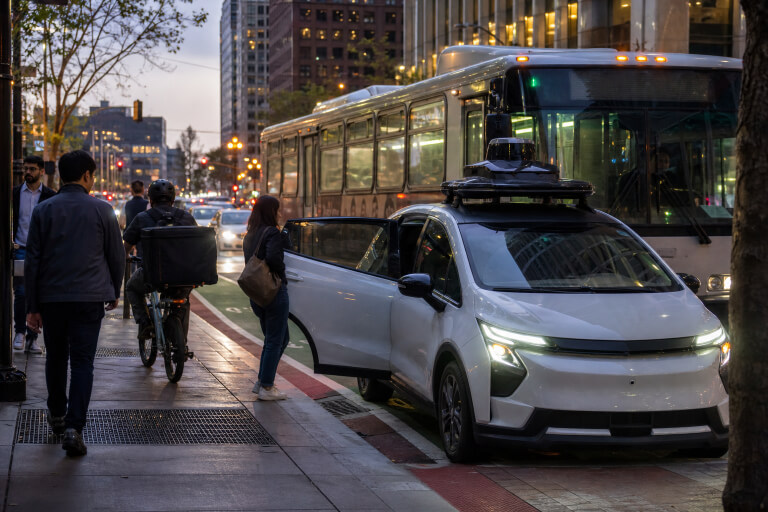
Autonomous ride services are moving beyond limited demonstrations and into more visible conversations in city transportation. A Zoox autonomous taxi is one example of the purpose-built vehicles that may eventually share streets with buses, delivery vans, bicycles, emergency vehicles, pedestrians, and conventional cars.
The vehicle itself matters, but city policy will often determine whether the service feels useful or disruptive. Robotaxis could improve late-night mobility, offer first-mile and last-mile connections, and reduce the need for some private car trips. They could also increase congestion if empty vehicles circle between riders, stop in unsafe locations, or pull passengers away from high-capacity transit. Cities should plan the street before the fleet arrives.
Start With a Clear City Goal
Before granting permits or redesigning curbs, officials should identify the transportation problem they want robotaxis to solve. A city might focus on hospital access, trips to rail stations, mobility for older adults, late-night service, or transportation gaps in neighborhoods with limited options.
Three questions can keep planning grounded:
- What specific travel problem should this service address?
- Which residents and neighborhoods should benefit first?
- What evidence will show that the program is working?
Public targets should be published before launch. Useful measures include average wait times, canceled-trip rates, wheelchair-accessible trip availability, service coverage, transit transfers, curb dwell time, collisions, and total vehicle miles traveled. A program that cannot explain success in plain language will be hard for residents to trust.
Review Streets, Curbs, and Intersections
Robotaxis need a street environment that works for every road user. That means cities should review pickup zones, lane markings, traffic signals, construction practices, and loading rules well before service expands. A downtown curb that appears available may already be essential space for buses, delivery drivers, paratransit vehicles, and people entering buildings.
Priorities for curb management
- Create marked pickup and drop-off areas near major destinations.
- Keep loading activity out of bike lanes, crosswalks, and bus stops.
- Provide safe boarding space near schools, hospitals, stations, and entertainment districts.
- Maintain legible signs, lane layouts, and road markings.
- Plan for rain, snow, roadwork, special events, and temporary detours.
Consider a busy office district at evening rush hour. If several vehicles stop at the curb to collect riders, buses may be forced into traffic, cyclists may need to merge unexpectedly, and pedestrians may cross between vehicles. Designating safe loading zones can prevent a convenience for one rider from becoming a delay or hazard for everyone else.
Protect Public Safety From Day One
Safety standards should be in place before a large public fleet begins operating. Cities should require clear emergency contacts, incident reporting, vehicle-recovery plans, procedures for blocked lanes, and regular coordination with police, fire, and emergency medical services.
Federal guidance on automated vehicle safety also underscores that automation must be evaluated as part of a broader roadway-safety approach. Testing is not the same as dependable public service. A vehicle may handle a familiar route well under normal conditions, but may encounter difficulties around unexpected construction, sporting events, fallen branches, unusual hand signals, or severe weather. Local rules should require operators to explain how vehicles will reach a minimal-risk condition, obtain remote assistance, and be moved when they cannot continue safely.
A practical safety checklist
- Train emergency responders on local vehicle procedures.
- Require timely reports on crashes, sudden stops, and roadway obstructions.
- Use an independent review for serious incidents.
- Establish a reliable process for rider and pedestrian complaints.
- Publish clear escalation steps for disabled or stranded vehicles.
Connect Robotaxis With Public Transit
Robotaxis work best as part of a transportation network, not as a replacement for it. They may help riders reach a train station, travel safely when bus frequency is low, or connect lower-density areas to frequent transit corridors. Cities can encourage this role by placing pickup zones near stations, coordinating service hours, and protecting bus lanes from added curb conflicts.
Buses and trains can move far more people using less street space per passenger. If autonomous rides mainly replace walking, cycling, or transit trips, the result may be more traffic rather than better mobility. Fare policies, shared-ride options, and transit-transfer incentives can help align robotaxi service with broader public goals.
Plan for Accessibility and Fair Service
Accessibility cannot be an optional feature added after launch. Vehicles, pickup areas, booking tools, customer support, and payment methods should work for people with disabilities, people using mobility devices, riders without smartphones, and residents with limited digital access.
The principles behind the Americans with Disabilities Act provide an important baseline for treating access as a public responsibility rather than a premium service. City leaders should ask whether riders can request wheelchair-accessible vehicles, safely reach pickup points, book trips by phone, receive assistance without an app, and obtain fair service in every neighborhood. They should also track wait times and cancellations by area so inequities do not remain hidden in averages.
Set Rules for Data, Traffic, and Parking
Autonomous fleets generate detailed information about trip demand, routes, curb use, roadway conditions, and vehicle performance. Cities may need selected data for safety and transportation planning, but agreements should limit collection, storage, sharing, and enforcement uses. Public agencies should request only what they need, protect personal information, and specify who is accountable after a breach.
Traffic outcomes should be measured rather than assumed. Officials should monitor empty-vehicle mileage, passenger occupancy, downtown congestion, curb dwell time, and changes in parking demand. If fewer people drive private cars to offices or venues, some parking areas may become candidates for housing, green space, freight loading, or safer pedestrian infrastructure.
Give Workers and Residents a Voice
Taxi drivers, rideshare drivers, dispatch staff, mechanics, parking workers, delivery workers, and small businesses may be among the first to experience the effects of automation. Cities should meet with these groups before major deployments and consider training support, fleet-maintenance opportunities, dispatch roles, and transition programs for affected workers.
Residents also need a real role in decisions. Public meetings should address service areas, fares, sidewalk access, emergency procedures, privacy, and neighborhood impacts. Simple complaint channels and public performance dashboards make it easier for people to see whether promises are being kept.
Build Trust Through Small Pilots
A limited pilot is usually more responsible than a citywide launch. A city can test a small service area, a defined number of vehicles, or a narrow use case, such as late-night transit connections. The pilot should have a published start date, clear standards, regular public updates, and a decision point for expansion, revision, or cancellation.
- Choose a specific transportation goal.
- Select a manageable service area.
- Publish safety, accessibility, and data standards.
- Gather public feedback before and during service.
- Measure outcomes against stated targets.
- Revise the rules before expanding.
Conclusion
Cities do not need to predict every detail of autonomous transportation to prepare responsibly. They do need clear goals, safe streets, accessible service, useful oversight data, honest public communication, and meaningful coordination with transit. Robotaxis should be judged by whether they improve the overall transportation system for residents, not simply by whether the technology can operate on city streets.
Planning should also consider curb management, emergency access, pedestrian safety, privacy, affordability, and the needs of people who may not use smartphones. Regular reviews of traffic patterns, service reliability, safety incidents, and public feedback can help cities adjust policies as the technology develops. A thoughtful approach allows innovation while protecting existing transportation priorities and ensuring that autonomous services contribute to safer, more connected, and equitable mobility.