



Key Takeaways
- Clear records can reveal patterns that are difficult to notice from memory alone.
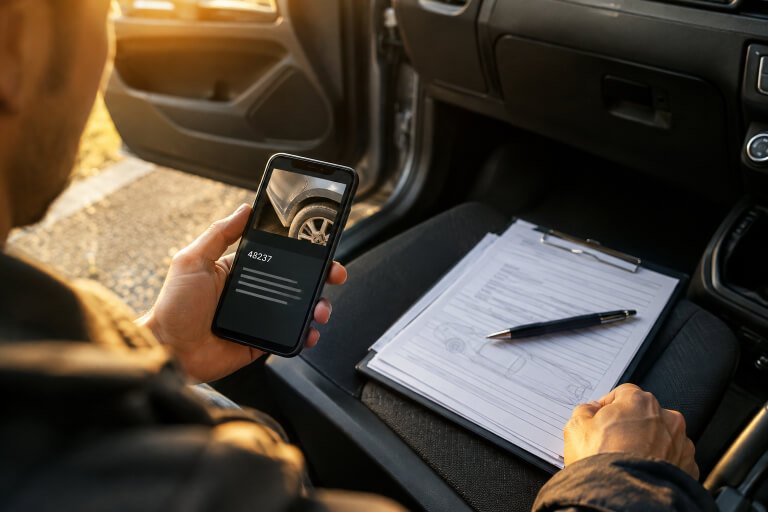
- Photos, videos, invoices, and written notes can make a repair concern easier to explain.
- Every entry should include the date, mileage, symptoms, and outcome of the repair visit.
- A vehicle identification number can be used to check for open safety recalls.
- Manufacturer warranties, service contracts, and maintenance plans are different forms of coverage.
- A running record helps identify repeat repairs, incomplete fixes, and growing costs.
Vehicle problems are easier to manage when each symptom, repair visit, and follow-up is recorded in one place. Whether you are dealing with an occasional warning light or researching Chevy Equinox problems, organized notes can help you describe the situation clearly and compare what changed after each repair. You do not need mechanical training or expensive software to build a useful record. A phone, a folder for paperwork, and a consistent habit of noting dates and mileage can create a practical timeline for conversations with a dealership, an independent shop, a manufacturer, or a future buyer.
Why Vehicle Records Matter
Many vehicle concerns are intermittent. A warning light may disappear before an appointment, a vibration may occur only at highway speed, or a starting issue may happen only after the vehicle has been parked for several hours.
Recording the circumstances creates a timeline that a technician can review, rather than relying solely on a general description. For example, “check-engine light appeared twice this week, once at 42,180 miles and once at 42,235 miles, then went away after restarting” is more useful than “the car acted strange.” It identifies a repeat condition without assuming which part caused it.
What to Track After Each Problem
Write a short note as soon as it is safe and practical. Include:
- The date and approximate time.
- Current mileage.
- Speed, traffic, road, weather, and temperature conditions when relevant.
- Any dashboard warning light or displayed message.
- Sounds, smells, smoke, fluid leaks, vibration, hesitation, or loss of power.
- Whether the event occurred while starting, idling, braking, turning, accelerating, or cruising.
- Whether turning the vehicle off and restarting it changed the condition.
Describe the behavior in plain language. It is fine to say that the steering felt unusually stiff or the engine seemed to hesitate. Avoid presenting a suspected diagnosis as a confirmed fact unless a qualified professional has documented it.
How to Build a Simple Vehicle File
Create one physical folder, digital folder, or both for the vehicle. Save purchase paperwork, warranty information, service-contract documents, maintenance receipts, estimates, and final repair orders. Use file names that make documents easy to sort, such as 2026-04-18_42,610-miles_engine-warning-repair-order.pdf. Keep a separate running summary for concerns that remain unresolved. List the first occurrence, each visit, the shop’s findings, the work performed, and whether the symptom returned. Back up digital files to another location and retain the original paperwork when possible.
Using Photos and Videos
Photos can document a dashboard message, visible leak, tire damage, smoke, or a damaged component. A short video may be useful for a noisy, rough idle, a delayed start, or a change in the instrument-panel display.
Capture the broader context when possible, such as the full dashboard and odometer, rather than only one illuminated icon. Never record while driving. Have a passenger help, or stop in a safe location first. Before sharing files beyond the repair process, review them for visible license plates, home addresses, conversations, or other personal information.
Reading Repair Orders
Before leaving the shop, review the repair order for accuracy. The customer concern should reflect what you reported. The technician’s findings describe what the shop observed or tested. The recommended repair may differ from the repair completed; the completed repair should state the work actually performed.
If the paperwork says “unable to duplicate,” the shop did not observe the concern during that visit. It does not necessarily mean the condition never occurred. Make sure the mileage, parts, labor, diagnostic notes, and unresolved concerns are recorded correctly.
Checking Recalls and Coverage
Use your VIN when you check for unrepaired safety recalls, since VIN results are intended to identify recall repairs associated with a specific vehicle. A recall is not the same as a routine service item or a general manufacturer campaign, and it does not replace a professional inspection when a safety concern is present. A manufacturer’s warranty is included, subject to its stated terms.
A service contract is optional coverage purchased separately, while a maintenance plan generally addresses scheduled services. The differences between warranties and service contracts matter when deciding whether a repair may be covered. Save written coverage decisions and request the reason for a denial in writing.
Spotting Repeat Problems
Compare entries across visits rather than viewing every invoice separately. Look for the same symptom described in different wording, repeated replacement of the same part, or a repair that only briefly improved the issue. Track related expenses, including diagnostic charges, towing, rental transportation, and inspections.
- Date and mileage: When did the issue occur?
- Symptom: What did the vehicle do?
- Diagnosis and repair: What did the shop find and perform?
- Cost and result: What was paid, and did the problem return?
How to Speak With a Repair Shop
- Lead with the clearest symptom instead of naming a part to replace.
- Provide the first date and mileage when the issue happened.
- Share relevant photos or videos.
- Ask what testing is planned and request an estimate before authorizing additional work.
- Ask the shop to document unresolved concerns and any promised follow-up.
A concise explanation might be: “The warning appeared twice in the last week, near 42,000 miles. It went away after restarting, and this video shows the second occurrence.”
Common Record-Keeping Mistakes
- Waiting too long to record the first symptom.
- Discarding invoices after payment.
- Saving the cost but not the diagnosis or repair result.
- Using vague notes without a date or mileage.
- Failing to record that a repair did not solve the issue.
- Relying only on messages that are not backed up.
A 10-Minute Vehicle Documentation Checklist
- Record current mileage and the exact symptom.
- Save the repair order, estimate, and receipt.
- Store relevant photos and videos in the vehicle folder.
- Note the diagnosis, recommended work, and completed repair.
- Record whether the repair resolved the concern.
- Update the unresolved-problem summary and back up new files.
Common Questions
How long should repair records be kept?
Keep them for as long as you own the vehicle. They can support future repair discussions, warranty questions, and resale documentation.
What if a shop will not provide detailed paperwork?
Ask politely for an itemized invoice showing the concern, testing, parts, labor, and outcome. If the issue continues, review applicable consumer-protection resources in your state.
Should every small noise be recorded?
Prioritize repeated, worsening, or safety-related symptoms. Even a brief note can be valuable when a condition occurs only under specific circumstances.
Conclusion
Good vehicle documentation is a simple habit with practical value, especially when a problem returns after a repair or becomes difficult to reproduce. A clear timeline, supported by repair orders, invoices, photos, videos, warranty documents, and precise notes, can show when the concern started, how often it occurred, and what steps have already been taken to address it.
Recording the mileage, driving conditions, warning messages, and details of each repair visit can also help identify patterns that may otherwise be overlooked. Keeping these records organized makes it easier to explain recurring concerns to a repair shop, dealer, manufacturer, or other relevant party. It can also help you compare repair attempts, confirm whether a problem was properly addressed, and decide what follow-up may be appropriate. While documentation cannot guarantee a particular outcome, it provides a clearer foundation for evaluating the issue and moving toward a practical resolution.