


September brings a familiar change to roads throughout Prince George’s County. School buses return, parents resume morning drop-offs, college students head back to campus, and daily commuter traffic becomes heavier. With more vehicles sharing already busy roads, school zones and major commuter corridors can become especially vulnerable to collisions.
For drivers, the back-to-school season is a good reminder to slow down, stay alert, and understand what to do if a crash occurs. Knowing how to respond can help preserve important evidence and make the insurance claim process easier to navigate.
Why September Can Bring More Traffic Conflicts
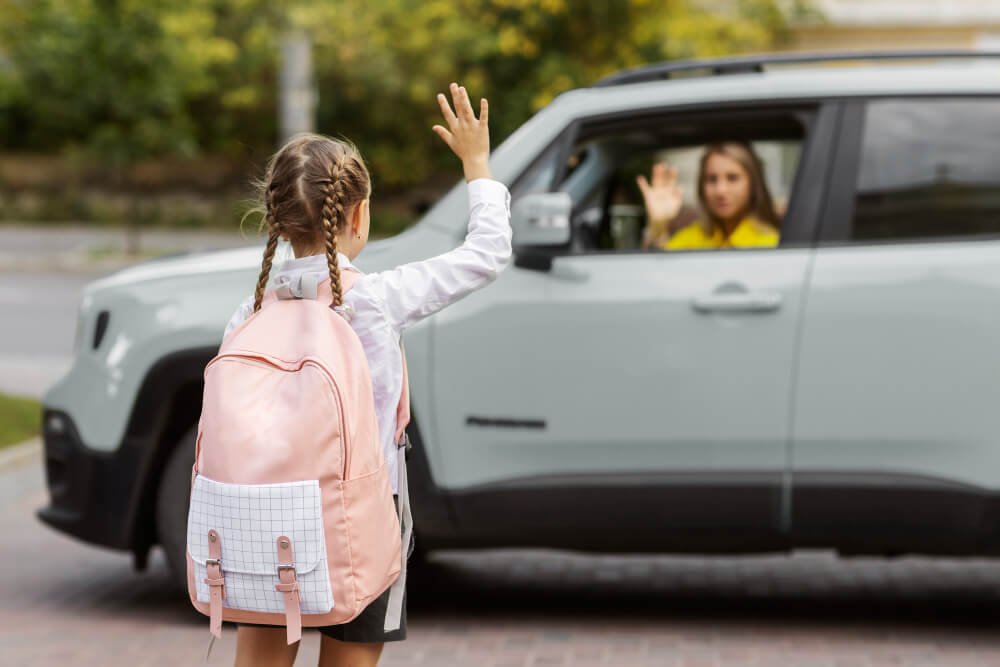
The first weeks of the school year create several overlapping traffic patterns. Parents may be rushing to work after dropping children off, while school buses make frequent stops and students cross streets near schools.
Some common contributors to collisions during this period include:
- Increased congestion during morning and afternoon rush hours
- Sudden stops near school entrances and bus stops
- Drivers making hurried lane changes
- Distracted driving in heavy traffic
- Pedestrians and cyclists crossing near school zones
- Reduced visibility around large buses and crowded intersections
- Drivers unfamiliar with new school-zone traffic patterns
Busy roads can become particularly challenging when several of these factors occur at the same time.
What to Do Immediately After a Crash
The moments following a collision can be confusing, but taking practical steps can help protect everyone’s safety and preserve useful information.
1. Check for Injuries
First, check yourself and others for injuries. If anyone needs medical attention, call 911. Even minor injuries can require medical evaluation because some symptoms may not appear immediately.
If you can move the vehicles safely and it’s permitted, move them out of active traffic. Turn on hazard lights when appropriate.
2. Exchange Information
Obtain the other driver’s basic information, including:
- Full name
- Phone number
- Driver’s license information
- Insurance company and policy information
- Vehicle make, model, and license plate number
If there are witnesses, ask whether they will provide their names and contact information.
3. Document the Scene
Photos can become valuable evidence later. If it is safe to do so, photograph the vehicles from several angles, the surrounding roadway, traffic signs, lane markings, visible injuries, and any property damage.
Also note details that may disappear after the vehicles leave, such as weather conditions, road construction, traffic congestion, or debris locations.
For Spanish-speaking families who need help understanding their legal options after a collision, consulting abogados de accidentes de auto en Maryland may provide a clearer explanation of the claims process and what documentation could be relevant.
How the Insurance Claim Process Generally Works
After a crash, drivers typically notify their insurance companies and provide information about what happened. Depending on the circumstances, an insurer may investigate the collision, review available evidence, assess vehicle damage, and determine how the claim should proceed.
A claimant may need to provide:
- The police report, if one was created
- Vehicle repair estimates
- Photographs and videos
- Witness information
- Insurance details
- Records showing other accident-related expenses
Keep copies of documents and communications related to the collision. Avoid guessing about facts you do not remember. Give accurate information and clearly distinguish what you personally observed from what someone else told you.
Common Mistakes After a Collision
A few seemingly harmless decisions can create complications later.
Leaving Before Gathering Information
Even if the damage looks minor, failing to exchange information can make it harder to establish what happened.
Posting About the Crash Online
Social media posts can be taken out of context. It is generally wise to avoid posting photographs, commentary, or speculation about fault while a claim is pending.
Delaying Medical Attention
Someone may feel fine immediately after a collision and develop symptoms later. If symptoms appear, seek appropriate medical care and follow medical advice.
Accepting an Insurance Settlement Without Understanding It
An early settlement offer may not necessarily account for every loss associated with an accident. Before accepting an offer, understand what it covers and whether accepting it could affect future claims.
Immigrants May Have Questions About Reporting a Crash
Immigration concerns can make some non-citizens hesitate to contact authorities after an accident. Someone may worry that calling the police, providing information, or seeking compensation could somehow affect their immigration situation.
These concerns should not automatically prevent someone from taking appropriate steps after a collision.
A person’s immigration status does not mean they should abandon their rights after being injured by another driver’s negligence. The specific legal consequences can vary, so immigration questions should be addressed with an attorney who handles that area of law.
Someone with immigration-related concerns may want to speak confidentially with an immigration lawyer in Prince George’s County who can explain how their particular circumstances may affect their options.
What Non-Citizens Should Know About Accident Claims
An injury claim and an immigration matter are separate legal issues. However, an individual’s circumstances can complicate the overall situation.
If you are involved in a crash, consider taking the same basic safety steps as any other driver or passenger:
- Get medical attention when necessary.
- Report the collision when appropriate.
- Exchange insurance and contact information.
- Preserve photographs and other evidence.
- Keep medical and expense records.
- Obtain legal advice when the circumstances warrant it.
If language is a concern, ask whether interpretation or translated information is available. People should understand important documents before making significant decisions about a legal claim.
Staying Safer Around Prince George’s County Schools
Drivers can reduce risks during the back-to-school period by allowing additional travel time and expecting unpredictable traffic.
A few simple habits can make a difference:
- Slow down in marked school zones.
- Follow crossing guards and traffic-control signals.
- Stop when required for school buses.
- Watch carefully for children near parked vehicles.
- Avoid using a phone while driving.
- Leave additional space between vehicles in congested traffic.
- Expect sudden stops during pickup and drop-off periods.
- Give pedestrians and cyclists adequate space.
- Avoid rushing through yellow lights or changing lanes aggressively.
Parents and students also play a role. Children should use designated crossings whenever possible, remain alert around driveways and parking areas, and avoid distractions while crossing streets.
Preparation Can Make a Difficult Situation Easier
No driver can eliminate every risk on a busy road. Still, preparation can make the aftermath of a collision less overwhelming. Keeping insurance information accessible, knowing how to contact emergency services, and understanding the importance of documenting an accident can help preserve critical information.
The September increase in school traffic is a seasonal reminder that conditions on Prince George’s County roads can change quickly. Slowing down and remaining attentive can help drivers avoid preventable crashes.