



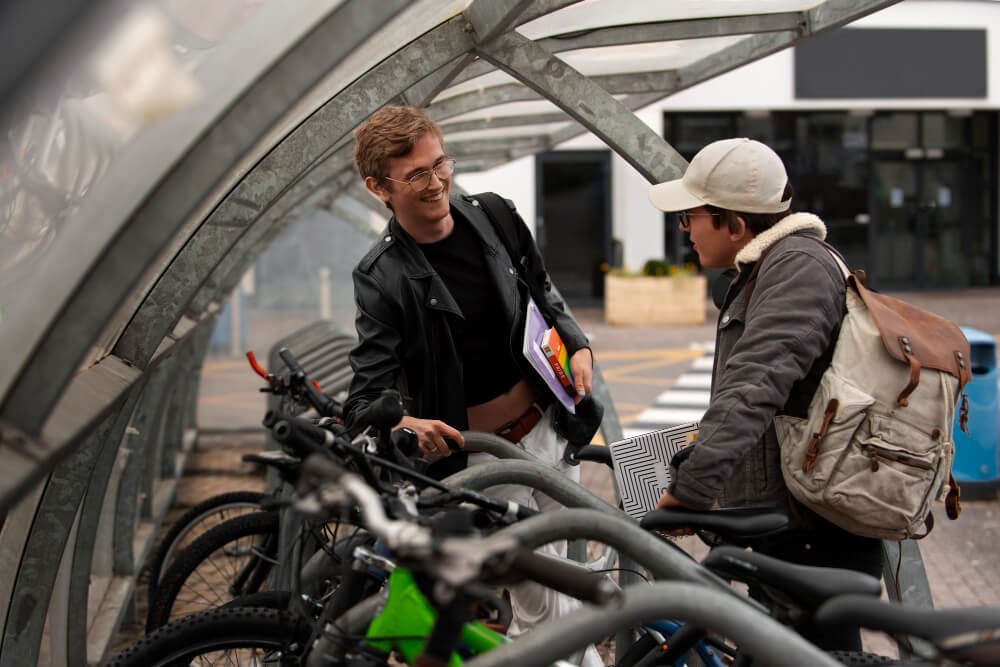
Walking or biking around Aurora’s light rail stations and the Anschutz Medical Campus can be an efficient way to reach work, classes, appointments, or nearby bus connections. It also means sharing space with trains, buses, scooters, drivers, delivery vehicles, and other people who may be moving quickly or looking for directions.
When a crash occurs, medical care and the preservation of details should come first.
Know the Main Routes Around Anschutz
People commonly travel between Colfax Station, Fitzsimons Station, nearby bus stops, parking areas, and campus buildings. The route may look short on a map, but the experience on foot or by bicycle can be different. Wide streets, long signal cycles, construction activity, turning lanes, and unfamiliar campus entrances can add complexity.
Before setting out, review the commuting options for the CU Anschutz campus, which describe nearby R Line stations, campus transportation, and bicycle-related resources. Planning the final portion of the trip before arriving can make it easier to choose a marked crossing, identify a bike rack, or locate a shuttle stop without stopping in a travel lane.
Simple Safety Steps for Pedestrians
- Use marked crossings when available. They give drivers a more predictable place to expect people walking and may provide signals or other traffic controls.
- Wait for turning vehicles to yield. A walk signal does not mean that a driver has seen you, especially when the driver is watching for an opening in vehicle traffic.
- Look for confirmation before stepping out. Eye contact can help, but a stopped vehicle is a clearer sign that the driver is yielding.
- Watch driveways and parking entrances. Vehicles leaving garages, lots, or loading areas may cross a sidewalk unexpectedly.
Smart Habits for Cyclists
Cyclists need to balance visibility, speed, and predictability. Use a white front light and red rear light whenever natural light is limited. Wear a properly fitted helmet, signal before turning or changing position, and avoid sudden moves around stopped traffic.
Near curbside parking, allow enough space to avoid an opening vehicle door. Near platforms, sidewalks, and busy crossings, reduce speed and yield generously to people on foot. When leaving a bike at a station or campus destination, use a visible approved rack and lock the frame and, when possible, a wheel. Remove lights or accessories that can be detached easily.
Be Careful Near Tracks and Platforms
Rail safety begins with respecting the designated space. Stay behind platform markings, follow posted instructions, and cross tracks only at marked crossings. Never go around lowered gates or try to shortcut across rail right-of-way.
Keep headphone volume low enough to hear bells, horns, announcements, and nearby traffic. A station can appear calm one moment and become busy quickly as a train arrives, passengers exit, and buses or cars pull up to the curb. Give trains room even when they appear to be stopped, and keep bags, bicycle tires, and feet clear of the track.
Crossing Busy Roads Near Campus
Turning traffic is a key hazard to anticipate near major streets and campus access points. Scan left, right, and left again before entering the roadway. Continue looking as you cross, since a vehicle that was waiting may begin turning after you have stepped into its path.
Cyclists should be particularly alert when traveling beside a vehicle that could turn across the bike’s route. Avoid lingering in a driver’s blind spot, and do not assume a turn signal will always be used. If one route feels crowded, poorly lit, or difficult to cross, taking a slightly longer route with clearer markings can be the better choice.
What to Do After a Pedestrian or Bicycle Collision
- Move to a safer location only if doing so will not worsen an injury.
- Call 911 if someone may be injured or if urgent help is needed.
- Seek medical evaluation, even if pain, dizziness, or other symptoms seem minor at first.
- Photograph the scene, signals, signs, vehicles, bicycle damage, clothing, and visible injuries when it is safe.
- Get names and contact information from witnesses and the other people involved.
- Save transit details, trip information, damaged equipment, and the helmet or clothing worn at the time.
- Avoid guessing about fault at the scene. Focus on accurate information and necessary care.
For people trying to understand injury claims after an Aurora crash, Conduit Law provides Aurora-focused personal injury information for people hurt on local roads and near major corridors such as Colfax Avenue and I-225. The firm serves Aurora and surrounding communities, including people whose treatment or travel connects to the Fitzsimons and Anschutz area, making its local injury-claim perspective relevant after a pedestrian or bicycle collision.
Conclusion
Safer trips near Aurora light rail stations and the Anschutz campus start with planning, visibility, and patience. Whether walking, cycling, or transferring between rail and bus service, taking a few extra seconds at a crossing can help prevent a serious collision. If an incident happens, prompt care and careful documentation can preserve important details while they are fresh.