



Shipping is no longer just the last step between a sale and a delivery. For small e-commerce businesses, it affects product margins, customer satisfaction, return costs, and the time employees spend resolving delivery problems. A shipping process that once felt manageable can become expensive as order volume, package variety, and customer expectations grow.
In 2026, the strongest shipping strategies focus on accurate data and consistent decisions rather than chasing one universal carrier or service. Tools that help sellers compare options can make that work easier. For example, Mrs. Shippie gets small businesses UPS rates usually reserved for the big guys, which can give growing merchants another way to evaluate the cost of sending routine parcel orders.
Why Shipping Looks Different
Shipping deserves regular attention because a label price is only part of the expense. Fuel-related charges, residential delivery fees, package dimensions, address corrections, returns, and upgraded service levels can all change the final cost. At the same time, customers expect clear tracking and credible arrival estimates. Reviewing your process now helps prevent old assumptions from quietly reducing margins.
What Drives Small Business Shipping Costs
A shipping invoice usually starts with a base transportation rate, then adds charges based on the shipment and service selected. Common cost drivers include package weight, dimensional weight, delivery zone, residential delivery, fuel surcharges, signature requirements, pickup fees, return labels, and address corrections.
Why dimensional weight matters
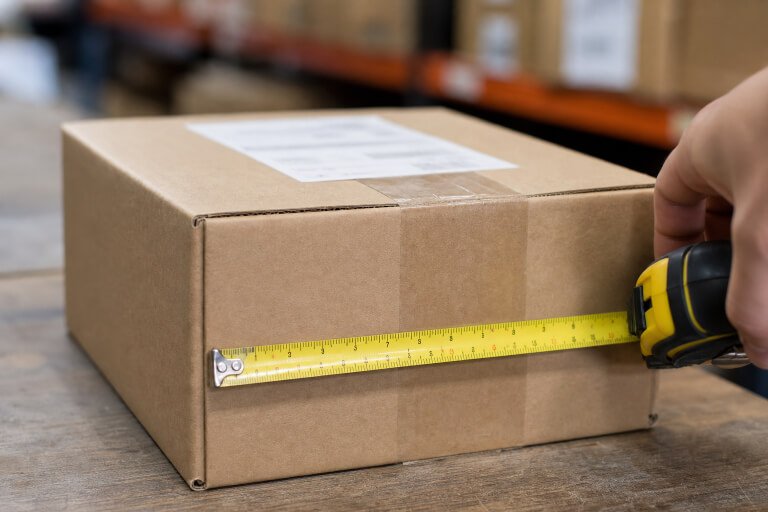
Dimensional weight reflects the space a package occupies in a carrier network. A large, lightweight box filled with pillows may be billed at a higher weight than its scale weight because it takes up substantial vehicle and sorting-space capacity. A compact box containing books may weigh more on a scale but cost less to move if its dimensions are much smaller. Measuring sealed packages is therefore essential.
How Package Data Can Lower Costs
Good shipping decisions begin before a label is purchased. Build a simple record for each regularly shipped product or product bundle, including packed weight, final box dimensions, and any special packing needs. Then review the destinations where most orders go and compare the expected billed weight with the actual billed weight on carrier invoices.
- Record the packed weight, including protective materials.
- Measure the final box rather than the product alone.
- The group frequently shipped items by their usual package type.
- Identify common destination zones and service levels.
- Investigate recurring differences between quoted and billed charges.
A quarterly review is often enough to reveal whether a box size, packing method, or product bundle needs attention. Even a modest reduction in package size can matter when it is repeated across many orders.
When to Compare Carriers and Services
One carrier does not have to handle every order. Postal services can be a practical option for certain lightweight residential shipments, while ground services may be worth comparing for heavier packages or longer distances. Regional carriers can also be useful when a large share of customers is concentrated in the same area.
Choose expedited service when the product, customer need, or delivery commitment truly requires it. For routine shipments, compare total cost, estimated transit time, tracking quality, pickup availability, and return handling. Many sellers use online postage, package pickup, and commercial-rate shipping tools to create labels and manage smaller parcel shipments without adding unnecessary steps.
How Packaging Affects Delivery Spend
Packaging influences shipping cost, damage risk, labor time, and customer experience. Select a box that protects the product without creating large empty areas that require excess filler or increase dimensional weight. Keep commonly used boxes, tape, labels, and protective materials near the packing station so employees can work consistently.
Test packaging for fragile, heavy, or unusually shaped items before sending it at scale. In some cases, replacing three rarely used box sizes with two well-tested sizes can simplify training, reduce packing mistakes, and make inventory easier to manage. Sustainable materials can also be useful when they reduce excess size, weight, or waste without weakening protection.
Setting Delivery Promises Customers Can Trust
Clear delivery information is often more valuable than an overly aggressive promise. Show an estimated delivery window before checkout, and distinguish your processing time from the carrier’s transit time. A reliable three-day estimate is generally better for trust than a two-day promise that frequently misses its target.
During peak periods, holidays, or severe weather, update site messaging promptly. Send tracking details once the shipment enters your order process, explain how customers can find return instructions, and give support staff a clear path for handling delayed or lost packages.
When Parcel Shipping Is No Longer Enough
Parcel shipping may stop being the best fit when orders regularly involve pallets, multiple oversized boxes, wholesale replenishment, or delivery requirements such as appointments, liftgates, or inside delivery. Less-than-truckload, commonly called LTL, is designed for freight that is too large for typical parcel service but does not require a full truck.
Businesses considering that transition should understand the additional preparation involved. Shipments that fall between parcel and full-truckload quantities often need palletizing, secure wrapping, freight labels, and a bill of lading. Comparing parcel and freight quotes for large orders can prevent an expensive default choice.
Building a Simple Shipping Workflow
The best workflow is not the most complicated one. It is the process employees can follow without guessing:
- Confirm the order details and delivery address.
- Select the appropriate package and protective materials.
- Weigh and measure the sealed package.
- Compare service levels based on cost and delivery needs.
- Print, inspect, and apply the label.
- Update the order system and move the package to a marked pickup area.
- Review delays, exceptions, and returns each week.
Shipping Metrics Worth Tracking
Start with a short report that the business will actually use. Helpful metrics include average shipping cost per order, average package weight and dimensions, damage or loss rate, on-time delivery rate, return shipping cost, address-correction frequency, orders shipped within one business day, and the percentage of orders using expedited service.
Tracking three or four measures consistently is more useful than creating a large report that no one reviews. Use the numbers to identify patterns, then test one change at a time.
Final Takeaway
Small businesses do not need a perfect shipping operation on day one. They need accurate package data, sensible carrier comparisons, packaging that protects products efficiently, reliable delivery promises, and a workflow that can grow with demand. In 2026, small improvements in box selection, service choice, and invoice review can protect margins while making delivery more dependable for customers.