



Key Takeaways
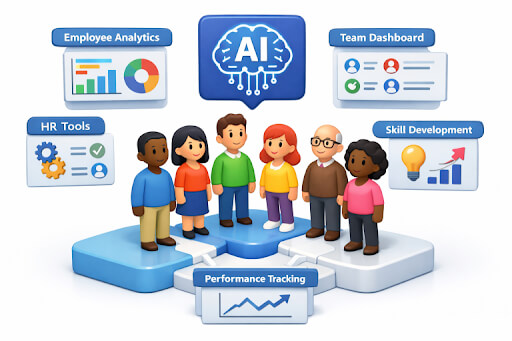
- Technology is fundamentally altering people management practices, leading to more efficient and personalized HR processes.
- AI and data analytics enable predictive insights, improving talent acquisition, performance management, and employee engagement.
- Embracing technological advancements requires a focus on ethical considerations and continuous upskilling of HR professionals.
Today’s workplace is experiencing a profound transformation, primarily driven by advances in technology. These innovations affect every aspect of how organizations manage and support their workforce. Artificial intelligence, automation, and analytics now influence daily decision-making and strategic long-term planning, marking a new era in human resource management practices. As a result, companies can respond to change more quickly and deliver better employee experiences by streamlining processes and personalizing interactions.
With technology touching everything from recruitment to employee engagement and ongoing development, the human resources field finds itself at an inflection point. Organizations that adapt are positioning themselves for enhanced efficiency and a more productive, engaged culture. The rise in digital solutions enables leaders to hire smarter, nurture talent, and measure the impact of HR initiatives with precision, ultimately driving better business outcomes.
However, technological adoption goes beyond mere convenience. Ethical considerations regarding data safety, privacy, and the unbiased use of AI are increasingly coming into play, requiring careful thought and proactive policy-making. Furthermore, HR professionals must continually update their skills to stay aligned with evolving systems and processes, ensuring that technology enhances rather than replaces the human touch.
These sweeping changes across the HR landscape are setting the stage for the future of work, underscoring the ongoing need for organizations to innovate, upskill, and approach people management responsibly. By leveraging technology in smart and ethical ways, leaders can create supportive environments where both individuals and businesses thrive.
AI in Talent Acquisition
Artificial intelligence is changing the way companies attract and evaluate job candidates. Through resume parsing, automated scheduling, and digital assessments, AI platforms are making hiring more efficient and consistent. Recruiters can use machine learning to analyze large pools of candidates, shortlisting those who best fit the company’s requirements.
This not only shortens the recruitment cycle but also improves the quality of hires. AI systems can even help remove unconscious bias by standardizing evaluation criteria, leading to more diverse and inclusive workforces. According to Harvard Business Review, companies that embrace AI in their recruitment processes report greater fairness and more optimal hires than traditional methods.
Enhancing Employee Engagement
HR platforms and digital feedback tools empower organizations to boost employee morale and engagement by creating seamless communication channels. Instant recognition systems, wellness apps, and continuous feedback loops encourage a culture of transparency and connection.
Employees today expect platforms that let them voice opinions, participate in quick polls, and receive timely responses from leaders. This dynamic feedback helps address concerns early and increases retention by demonstrating the organization’s commitment to employee well-being.
Data-Driven Performance Management
With access to real-time data analytics, managers can set clear objectives, track progress, and give timely feedback based on measurable outcomes. Performance management systems now aggregate information from multiple sources, providing comprehensive insights into employee achievements and developmental needs.
This facilitates targeted coaching, improved goal alignment, and fosters an environment where every employee’s potential is recognized and cultivated. These data-driven insights also support proactive workforce planning, allowing organizations to identify skill gaps and plan for the future.
Learning and Development in the Digital Age
Organizations no longer rely solely on traditional classroom training. Instead, digital learning platforms provide flexible, on-demand education options for employees worldwide. Online courses, interactive modules, and webinars enable upskilling at an employee’s own pace, ensuring learning remains aligned with both organizational objectives and individual goals.
Analytics from these platforms help HR measure participation, progress, and effectiveness, allowing for continual improvement in learning strategies. The Harvard Business Review highlights the importance of continuous learning, emphasizing that ongoing skill development is key to organizational resilience and adaptability.
Remote Work and Digital Collaboration
The shift to remote and hybrid work models has made technology vital for collaboration and productivity. Video conferencing tools, chat platforms, and cloud-based project management apps are now mainstays in daily operations. These digital solutions help maintain team cohesion and keep everyone aligned, regardless of physical location.
Leaders can track project progress, assign tasks, and resolve issues in real time, creating a sense of connection across distances. Moreover, these systems allow organizations to tap into a global talent pool, accessing skills and perspectives not bound by geography.
Ethical Considerations and Data Privacy
As companies collect and leverage increasing volumes of employee data, protecting privacy and ensuring responsible data use becomes crucial. Ethical deployment of technology means establishing transparent policies regarding information collection, storage, and usage.
Organizations must comply with data protection laws like GDPR, safeguard sensitive information, and remain vigilant against misuse. Maintaining trust while utilizing digital platforms requires ongoing attention to security, regular audits, and comprehensive staff training around ethical technology use. For more, see Harvard Business Review’s guide to data privacy.
Upskilling HR Professionals
To extract maximum value from new technologies, HR professionals must regularly enhance their digital competencies. This involves training in analytics, AI, social collaboration tools, and digital learning systems.
Leaders who emphasize ongoing skill development foster adaptability and innovation within their HR teams and the broader organization. Upskilling also helps HR professionals interpret data insights and integrate advanced tools seamlessly into everyday workflows, making HR a strategic partner in business growth.
Conclusion
Technology is redefining the principles of people management, opening doors to more efficient processes, improved engagement, and better business outcomes. As organizations deploy digital solutions, success lies in a thoughtful balance between innovation, ethical practices, and a commitment to continuous learning. By prioritizing both technology and the human element, companies can build resilient, high-performing teams prepared for the future of work.