



Key Takeaways
- Biological dentistry integrates oral health with overall wellness for comprehensive care.
- Patients undergo an extensive health review and receive individualized treatment planning.
- Dental materials are chosen based on safety and compatibility with each patient.
- The focus is on preventive care and enabling patients to sustain long-term health.
Embarking on your initial appointment with a biological dentist opens up a new, holistic dimension in oral healthcare. Rather than focusing solely on treating teeth and gums, biological dentistry values the deep connection between your oral health and your overall well-being. This approach allows patients to benefit from care that addresses not only dental issues but also their broader health needs.
Many people feel a mix of curiosity and uncertainty before their first visit. Understanding what will happen at your appointment can help demystify the process, ease anxiety, and empower you to participate actively in your healthcare choices. From the moment you enter the office to the development of your long-term treatment plan, a biological dentist offers a unique experience centered on your individual needs and preferences.
At the heart of this approach is the belief that oral health is inseparable from the health of the entire body. Factors like diet, lifestyle, and pre-existing conditions are all taken into account to create a thorough and tailored care plan. You can expect the office itself to promote comfort and relaxation, minimizing the usual stress associated with dental visits.
Beyond the clinical procedures, patients are encouraged to become knowledgeable and proactive about their oral health through ongoing education and preventive strategies.
Comprehensive Health History Review
The first step in your visit is an in-depth review of your overall medical and dental history. Biological dentists want to understand every factor that might influence your oral health. This involves asking about your diet, daily habits, past medical conditions, and any medications or supplements you take. By getting a complete picture of your health, the dentist can customize their care approach and recognize connections between oral conditions and broader health issues. This review not only personalizes your care but also opens the door for addressing systemic concerns that may have gone unnoticed in a conventional dental setting.
Thorough Oral Examination
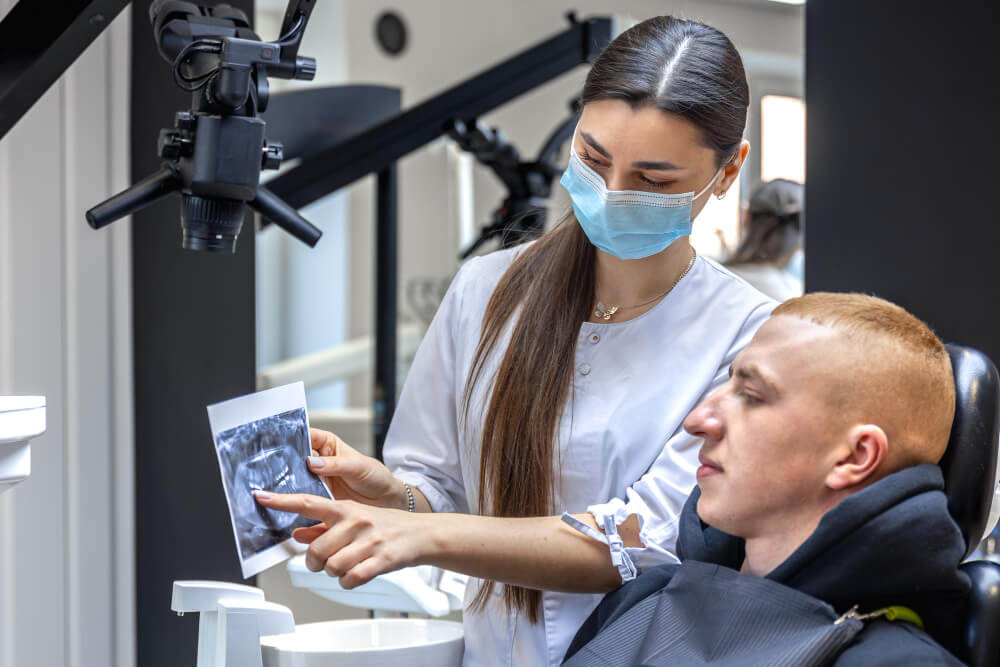
Next, the dentist performs a meticulous oral examination. This usually includes a detailed inspection of your teeth, gums, jaw alignment, and the tissues of your mouth. Advanced diagnostic tools such as digital X-rays or 3D scans may be used to spot underlying issues that are invisible to the naked eye. The aim is to not only detect urgent dental concerns such as decay or infection but also to identify subtle signs that might point to related systemic health problems. Issues like gum inflammation can, for example, reflect immune challenges or chronic conditions in other parts of the body.
Biocompatibility Testing
Because each person’s body reacts differently to dental materials, biological dentists often recommend biocompatibility testing. This testing evaluates your body’s reaction to materials like fillings, crowns, or implants before they are used in treatment. The goal is to select products that minimize the risk of allergic reactions or sensitivities, thereby promoting optimal healing and long-term oral health.
Personalized Treatment Plan
Following the examination and health history review, your dentist will craft a personalized treatment plan tailored just for you. The plan is based on your unique oral findings, anticipated risks, and overall health goals. It may include immediate steps for addressing current dental needs, plus recommendations for lifestyle adjustments and preventive strategies that will benefit your well-being in the longer term.
Use of Non-Toxic, Biocompatible Materials
One distinctive aspect of biological dentistry is the use of dental materials selected for their safety and compatibility. Many biological dentists avoid amalgam fillings, which contain mercury, and opt for alternatives like composite resins. The priority is to reduce your exposure to substances that could harm your health and to use treatments that are as gentle and effective as possible.
Preventive Care and Education
Education is a cornerstone of the biological approach. Your dentist will provide practical tips for daily oral hygiene, nutritional guidance to support strong teeth and gums, and suggestions on lifestyle changes that can reduce disease risk. This empowers you to play an active role in protecting your oral and systemic health, helping to prevent issues before they start.
Collaborative Approach to Treatment
Biological dentists appreciate that oral health interconnects with many other areas of wellness. As a result, they often collaborate with other healthcare professionals, such as naturopaths, nutritionists, or physicians, to ensure a well-rounded treatment plan. This teamwork delivers a truly holistic approach, coordinated to meet your specific health requirements.
Creating a Comfortable Environment
Your comfort and ease are prioritized throughout your visit. Many biological dental practices go beyond the basics to create a calming environment, using natural lighting, aromatherapy, and stress-reducing amenities to help you feel relaxed from the moment you arrive. These gentle touches are part of their commitment to whole-person care and a positive experience.
Your first appointment with a biological dentist can be the beginning of a healthier, more integrated approach to dental and overall wellness. With comprehensive assessments, individualized planning, and a commitment to safe practices, you can look forward to care that sees you as a whole person, not just a set of teeth.