



Key Takeaways:
- Supply chains are intricate networks that influence daily life in Pennsylvania.
- Understanding these connections reveals the complexity behind everyday conveniences.
- Local businesses and consumers are directly impacted by global supply chain dynamics.
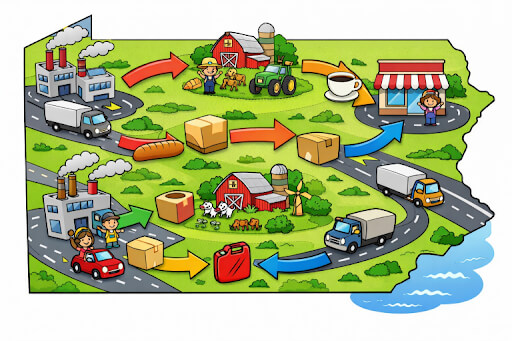
Every cup of coffee, each box on your doorstep, and the fuel in your car are the result of vast, interconnected systems known as supply chains. These chains are complex, especially in Pennsylvania, where local businesses and global markets meet. Companies often rely on fuel def delivery services and other logistics services to keep goods moving smoothly and ensure that everyday convenience is possible.
While it may seem that goods simply appear in stores and homes, there is an invisible network working behind the scenes. From manufacturing facilities to transportation hubs, each step is carefully coordinated. Pennsylvania’s unique position amplifies the importance of understanding these supply chains and how they shape the economic landscape for everyone involved.
The impact of these networks reaches far beyond the walls of factories or far-flung warehouses. They touch the lives of workers, consumers, and business owners alike. Disruptions or innovations in one part of the chain can ripple across the state, causing either setbacks or swift progress.
Each supply chain is only as strong as its weakest link. When challenges arise, such as natural disasters or global events, the effects are felt locally and quickly. This makes supply chain resilience a crucial area of focus for Pennsylvania’s industries and for every resident depending on the timely delivery of goods.
When you purchase any product in Pennsylvania, you are connecting to a vast and often hidden web of suppliers, manufacturers, and transport providers. These connections form a global tapestry that makes modern life possible. But behind this apparent simplicity lies a highly technical choreography, often shielded from view.
For every finished product—be it a smartphone, a loaf of bread, or medical equipment—there are raw materials sourced, items assembled, and deliveries made by different stakeholders. Each participant relies on timely updates, efficient logistics, and a clear understanding of where bottlenecks might occur.
Pennsylvania’s Role in the Global Supply Chain
Pennsylvania is strategically located, with access to major transportation routes and diverse natural resources. This enables it to play a significant role in global supply chains, particularly in sectors like steel, agriculture, and pharmaceuticals. The state’s capability to analyze and optimize these vast networks helps reveal hidden efficiencies and risks that can impact global operations.
Businesses within the state depend not only on local suppliers but also on international partners. For instance, ports in Philadelphia facilitate the import and export of thousands of goods daily, linking Pennsylvania directly to global trade routes. The state’s infrastructure, such as roads, railways, and airports, further enhances its role as a logistics hub.
Real-Life Examples of Supply Chain Impact
The effects of supply chain issues are evident in several areas of Pennsylvanian life. During the pandemic, residents witnessed empty shelves in grocery stores and extended wait times for everything from appliances to construction materials. The Brookings Institution analyzed how these disruptions stemmed from vulnerabilities exposed during global crises, showing how quickly supply interruptions can impact local economies.
Another telling example comes from Pennsylvania’s agricultural community. Farmers rely on feed, seed, and fertilizer deliveries that are often delayed when international shipping slows or ports close. Cascading supply challenges have affected local businesses, revealing the sensitivity and interconnectedness of the supply web.
Challenges and Solutions in Local Supply Chains
Local companies regularly face supply chain vulnerabilities, from delayed shipments of raw materials to shortages of skilled labor. The pandemic intensified these issues, highlighting the need for more robust systems. As noted by the Harvard Business Review, digital transformation and the adoption of smarter supply chain management strategies are crucial for managing risk and enhancing resilience.
Some Pennsylvania businesses are diversifying their suppliers and investing in new technologies to track shipments and production in real-time. These solutions are designed to mitigate risks, reduce delays, and better anticipate future challenges. Strong collaboration across the entire supply chain network can also provide quick responses to unexpected disruptions.
The Future of Supply Chains in Pennsylvania
As technologies evolve and consumer demands shift, Pennsylvania’s supply chains are poised for transformation. The underscores the need for innovation, adaptability, and continual investment in digital tools as crucial strategies for maintaining competitiveness. Artificial intelligence, improved forecasting, and collaborative platforms are becoming central to supply chain management in the state.
Policy changes and increased regional cooperation are also shaping the future. Developing sustainable supply chains and building in greater flexibility can help Pennsylvania react more swiftly to economic or geopolitical shifts. As these adjustments take place, both businesses and consumers can expect a more resilient system capable of meeting future challenges.
Frequently Asked Questions
What is a supply chain?
A supply chain is a network of organizations, people, activities, information, and resources involved in producing and delivering a product or service from supplier to customer.
How do supply chains affect daily life?
Supply chains impact daily life by ensuring the availability of products and services. Disruptions can lead to shortages and affect prices.
Why is Pennsylvania significant in global supply chains?
Pennsylvania’s diverse industries and strategic location make it a key player in global supply chains, contributing significantly to manufacturing and logistics.
Conclusion
Understanding the hidden connections that make up supply chains provides valuable insights into how daily life unfolds in Pennsylvania. These intricate networks are responsible for filling store shelves, delivering critical goods, and supporting economic growth. By grasping the complexities and challenges faced by local businesses and global partners alike, residents and companies are better equipped to navigate uncertainties and benefit from future opportunities in an interconnected world.