


If you run a business or manage operations, you’ve probably felt it. Costs are rising. Expectations are climbing. And somewhere in the middle of it all, you’re expected to be more sustainable, more efficient, and more resilient without blowing the budget.
Energy sits right at the center of that challenge.
It’s one of the biggest ongoing expenses for many organizations. It’s also one of the biggest opportunities. The way companies think about energy is changing fast, and not just because it’s the “green” thing to do. It’s because smarter energy decisions are starting to drive real, measurable business results.
That’s where innovation comes in. Modern solar technology isn’t just about putting panels on a roof anymore. It’s about building a smarter, more controlled, and more efficient way to power your operations from the ground up.
So what does that actually look like in practice?
Smarter energy isn’t just a buzzword
Let’s break this down.
“Smarter operations” gets thrown around a lot, but at its core, it’s pretty simple. It means using better tools and better data to make better decisions. And when it comes to energy, that shift can be huge.
Think about how most businesses have traditionally handled energy. You get a bill. You pay it. Maybe you can try to cut usage here and there. But you don’t really control it.
Now compare that to a smarter system.
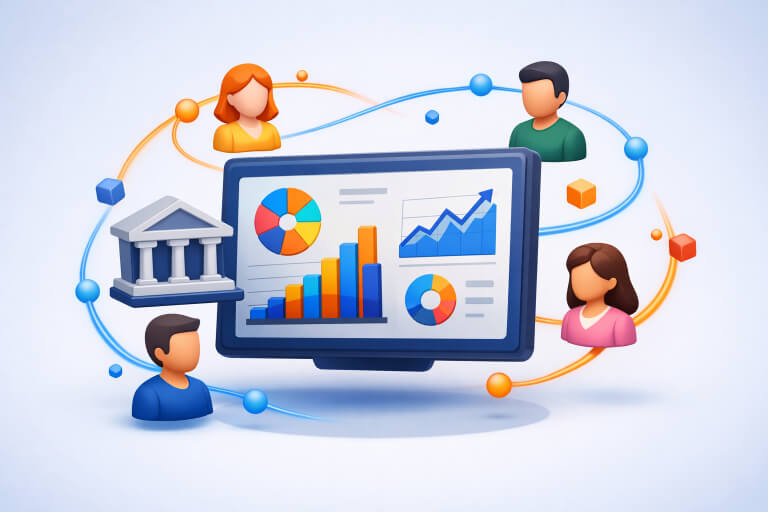
You can monitor energy usage in real time. You can see when demand spikes and why. You can adjust how and when energy is used across your facilities. In some cases, systems can even make those adjustments automatically.
That kind of visibility changes everything.
Instead of reacting to costs, you start managing them. Instead of guessing, you’re working with real data. And over time, those small improvements add up to big gains in efficiency and savings.
The tech that’s making it all possible
Here’s where things get interesting.
Solar technology has evolved a lot over the past decade. What used to be a fairly straightforward setup has turned into a sophisticated, integrated system that can do much more than just generate electricity.
Let’s look at a few of the key innovations driving this shift.
Higher-efficiency panels
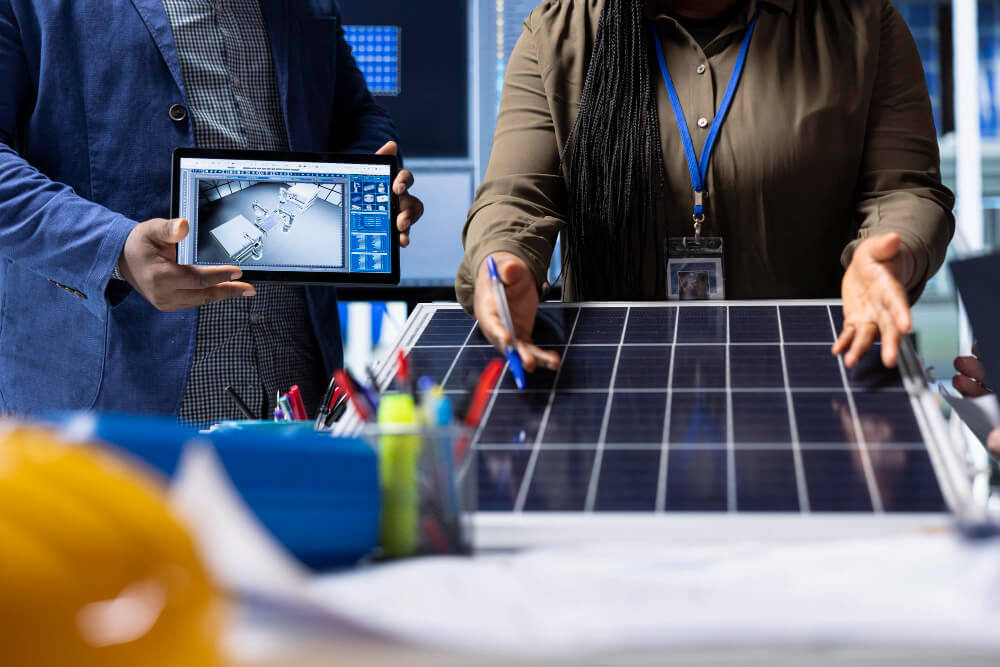
Today’s solar panels are simply better. They generate more power in less space and perform more consistently over time. That means you can get stronger output without needing massive installations.
Energy storage systems
Batteries are a game-changer. They let you store excess energy and use it when you actually need i like during peak pricing hours or outages. This adds flexibility and control that businesses didn’t have before.
Smart inverters and grid interaction
Modern systems don’t just produce energy. They communicate with the grid. Smart inverters help manage how energy flows, improving efficiency and even supporting grid stability.
Advanced monitoring and analytics
This is where things really start to feel “smart.” With the help of software and AI-driven tools, businesses can track performance, predict maintenance needs, and optimize energy use in real time.
It’s not just about saving money (but that helps)
Let’s be honest. Cost matters. A lot.
And yes, modern solar solutions can significantly reduce energy expenses. But the financial benefits go beyond just lowering your monthly bill.
For starters, you get more predictable energy costs. Instead of being at the mercy of fluctuating utility rates, you can stabilize a portion of your energy spend. That makes budgeting a whole lot easier.
There are also incentives to consider. Tax credits, rebates, and financing options can help offset upfront costs and improve your return on investment.
And then there’s the long view.
Over time, these systems pay for themselves. And after that? They keep delivering value. Lower operating costs. Increased asset value. Better financial performance overall.
It’s not just about cutting expenses. It’s about building a smarter financial model for your business.
Sustainability that actually moves the needle
Sustainability has become a big deal and not just for marketing teams.
Customers care. Investors care. Employees care. And in many cases, regulations are starting to demand it.
But here’s the thing. Not all sustainability efforts are created equal.
Switching to cleaner energy is one of the most direct and impactful changes a business can make. It reduces carbon emissions in a measurable way. It supports ESG goals. And it shows that your organization is serious about long-term responsibility.
There’s also a reputational upside.
When your operations reflect your values, people notice. It builds trust. It strengthens your brand. And it can even give you an edge over competitors who are slower to adapt.
In other words, it’s not just good for the planet. It’s good for business.
Staying up and running when it matters most
Now let’s talk about something every business worries about: reliability.
Power outages. Grid disruptions. Unexpected downtime. These things are more than inconvenient they’re expensive.
This is where solar, especially when paired with storage, really shines.
Instead of relying entirely on the grid, you have your own source of energy. If something goes wrong externally, your operations can keep going. That kind of resilience is a big deal, especially for industries where downtime isn’t an option.
Manufacturing facilities, logistics hubs, campuses, healthcare systems they all benefit from having a more reliable energy setup.
It’s not just about efficiency. It’s about peace of mind.
The challenges (and how to handle them)
Of course, no solution is perfect.
There are still hurdles that businesses need to think through.
Upfront costs can feel intimidating, even with incentives.
Space limitations might affect what kind of system you can install.
Regulations and permits can be complex, depending on your location.
But here’s the good news: these challenges are manageable.
The key is working with the right partner. Someone who understands the landscape can navigate the details and knows how to design a system that fits your specific situation.
Because when it’s done right, the long-term benefits far outweigh the initial effort.
Choosing the right partner makes all the difference
This part often gets overlooked but it’s arguably the most important decision you’ll make.
Not all solar providers are built the same. Some handle installation but leave you on your own for maintenance. Others offer cookie-cutter systems that weren’t designed with your specific load profile in mind. When you’re investing at the commercial or industrial scale, that gap in service can cost you significantly over time.
The right partner covers everything: design, engineering, procurement, installation, and long-term maintenance all under one roof. That kind of end-to-end accountability means fewer handoffs, fewer surprises, and a system that actually performs the way it was promised.
Experience matters just as much. Commercial and industrial solar projects carry real complexity grid interconnection, demand charge optimization, structural assessments, permitting. You want a team that has navigated these challenges before, not one learning on your project.
Customization is non-negotiable. Your energy consumption patterns, facility constraints, and financial goals are unique. A solution built around them will always outperform a generic one.
That’s why many businesses turn to REC Solar. Known for delivering customized solar and energy storage solutions, they help organizations navigate the transition to renewable energy with comprehensive support from planning to implementation.
Looking ahead: where this is all going
Energy is evolving. Fast.
We’re starting to see more decentralized systems, where businesses generate and manage their own power. Microgrids are becoming more common. AI is playing a bigger role in optimization. And electrification is expanding across industries.
What does that mean for you?
It means the earlier you start thinking strategically about energy, the better positioned you’ll be. Waiting might feel safer, but it often means missing out on savings, incentives, and competitive advantages.
The companies that move now are the ones that will be ahead later.
So, what’s the takeaway?
Smarter energy isn’t just a trend. It’s a shift in how businesses operate.
It’s about control. Efficiency. Resilience. And yes, sustainability too.
When you bring all of that together, you don’t just reduce costs. You build a stronger, more adaptable operation that’s ready for whatever comes next.
And in a world where change is constant, that kind of advantage is hard to ignore.